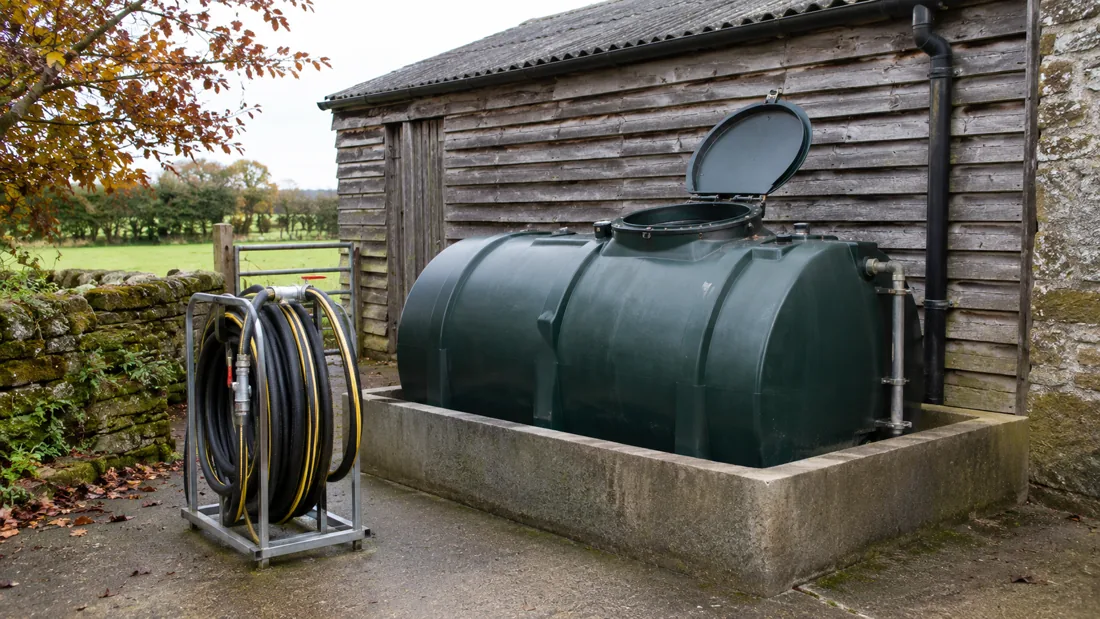
Contamination Or A Failing Tank?
Repeated filter blockages, cloudy fuel or a boiler that cuts out are reasons to investigate the supply. They do not prove that tank cleaning will cure the problem. An appliance fault, a damaged supply line or a deteriorating container can produce symptoms that need a different response.
A sound tank with settled water and sludge may benefit from cleaning. A cracked or badly corroded shell needs assessment for replacement instead. Mention any smell or wet patch outside the tank, because a suspected leak changes the priority from routine cleaning to controlling a possible loss.
| What You Have | What To Consider |
|---|---|
| Water without heavy deposits | Ask whether targeted water removal is suitable for the tank and outlet arrangement. |
| Sludge and recurring blockages | Discuss a full clean and the condition of the fuel supply system. |
| Cracks, deformation or leaking seams | Have the structure assessed before spending money on a clean. |
Find Out What Is In The Tank
The assessment looks at the tank material, condition, access openings and what it has stored. Sampling can help distinguish usable oil from water and sediment. Water settles below heating oil, so looking through an opening at the surface cannot establish the condition of everything inside.
Tell us about recent deliveries, long periods without use and previous filter or boiler work. Those details help establish the pattern. If cleaning was done before but the problem returned, the cause of water entry or contamination needs attention as well as the material already present.
What A Planned Clean Involves
The heating supply is taken out of service for the work, with suitable isolation arranged. Oil that may be retained is transferred into appropriate holding storage. Water, sludge and residue are removed separately so contaminated material is not simply mixed back into recovered fuel.
The method of cleaning depends on the tank and its condition. Accessible deposits may be removed mechanically or with appropriate cleaning equipment, without assuming that every shell can tolerate the same treatment. This is specialist work rather than a household pressure-washing task.
Once cleaning is complete, the tank and potential water entry points should be reviewed. Suitable oil may then be filtered and returned under the agreed plan. Filtering is useful for some contamination, but it is not a promise that every batch of degraded fuel can be restored.
Holding Storage And Site Access
A tank tucked behind a cottage may still be reachable by hoses, but the route needs checking. Send views of the parking area and the full path to the tank. Steps, walls, steep ground and locked shared access should be described before a method is chosen.
Temporary holding storage also needs suitable space. Give an approximate tank level so capacity can be planned, and explain if heating or hot water availability is especially important. Schedule routine cleaning when a shutdown is manageable, rather than assuming it can happen while the appliance continues drawing fuel.
At commercial premises, identify the site contact, working hours and equipment affected by isolation. A generator supply or shared heating system needs coordinated arrangements. Provide any available fuel test results and recent maintenance records so the work addresses the system that is actually in use.
What Changes The Cost
The amount of liquid, depth of sludge, tank layout and access all influence the work. Contaminated fuel that cannot be returned needs handling and disposal, while suitable fuel needs holding capacity and a controlled transfer. A difficult opening or restricted vehicle position can change the equipment required.
Ask whether the quotation includes fuel assessment, cleaning, filter-back where suitable and waste handling. Separate repairs to caps, fittings or pipework should be identified. If structural damage is discovered after deposits are removed, agree the next step before refilling a tank that may be unsound.
Records And Preventing A Repeat
Keep a service record describing what was found, what was removed and what was returned. Waste documentation should reflect the actual material and movement rather than treating all outputs as identical. For a business, keep this with the fuel system maintenance history and any relevant waste records.
Afterwards, follow the tank manufacturer’s maintenance advice and have damaged seals or fittings addressed. Keep inspection access clear and report new water, recurring filter problems or unexplained fuel loss. Cleaning removes existing deposits, but a failed cap or damaged shell can allow the same problem to return.
Your Questions Answered
Can The Oil Be Put Back After Cleaning?
Oil from a tank clean may be returned when its condition is suitable and the agreed method allows it. Water and sludge need to be kept apart from recoverable fuel. The assessment should explain what can be retained and whether filtration is appropriate, rather than assuming the entire contents will be reused.
Will Cleaning Stop The Boiler Cutting Out?
Oil tank cleaning may help when water or deposits are disrupting the fuel supply, but boiler lockouts can have other causes. Tell the assessor about recent servicing, filter changes and any diagnosis already made. An appliance technician may also be needed so the tank is not cleaned for an unrelated fault.
Safety reference: HSE tank and container hazards. See also suspected oil leaks.